
Insights & Analysis
Peer-informed research briefs, policy commentary, and long-form analysis on international health governance.
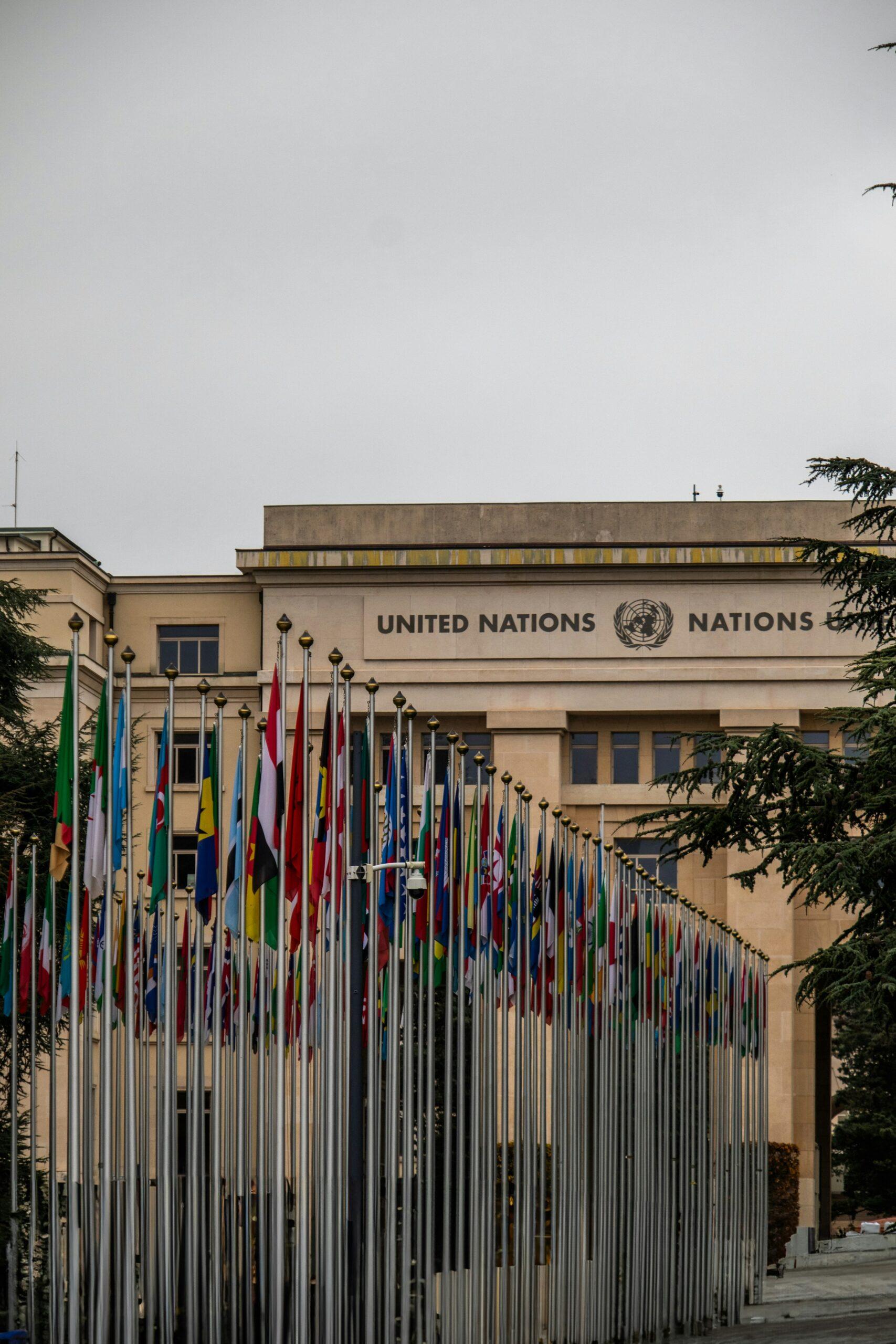
Rethinking Global Health Reform After COVID-19: Legitimacy Before Authority
The COVID-19 pandemic revealed that global health institutions not only failed to adapt policies to local contexts, but also exposed serious deficits in accountability, ethics, and legitimacy. Expanding institutional authority without first addressing these legitimacy gaps risks deepening fragmentation and distrust in global health governance.

WHO Under Fire: Parliament Roundtable Questions Global Health Governance After COVID
Former WHO insiders Professor Ramesh Thakur and Dr. David Bell tell a Canberra parliamentary roundtable that the World Health Organization has drifted from population health to serving private donors.

Pandemic Agreement Costs Could Exceed $115 Billion Annually, Report Finds
A new report from the International Health Reform Panel (IHRP) argues that the repeated stalling of negotiations over the WHO Pandemic Agreement should be read as a sign of unresolved political substance, not as a breakdown that needs to be hurried past.

New Report Finds the Pandemic Agreement Impasse Reflects Deep and Unresolved Questions of Fairness, not Negotiating Failure
A new report from the International Health Reform Panel (IHRP) argues that the repeated stalling of negotiations over the WHO Pandemic Agreement should be read as a sign of unresolved political substance, not as a breakdown that needs to be hurried past.

Why is the WHO Driving a Hantavirus Panic?
The WHO is dedicating extensive resources and media attention to a hantavirus outbreak on a cruise ship that infected fewer than 10 people, while thousands continue to die daily from malaria and tuberculosis with diminishing support. This disproportionate response raises questions about the organization's priorities as it seeks to rebuild relationships with countries like the US and Argentina.

The Peoples of the Global South Don't Need Health Security: They Need Health Sovereignty (Originally published by Accord)
African leaders call for health independence from foreign funding, but critics warn that framing health as "security" enables expanded state surveillance and control while eroding individual freedoms and the traditional doctor-patient relationship. The shift from health as a human right to health as security threatens human dignity and agency through centralized power and digital monitoring systems.
Parliamentarians support call for fundamental rethinking of the World Health Organization
An All-Party Parliamentary Group heard proposals from the International Health Reform Project calling for the WHO to return to principles of health sovereignty, subsidiarity, and decentralization rather than increased centralization. The panel, led by former UN officials and international experts, argues the organization has drifted from its founding principles through mission creep and emergency-driven expansion.

Gates-funded Telegraph disparages criticism of WHO (chief donor Bill Gates)
A REPORT calling for reform of the World Health Organization argues that it is too heavily tied to pandemic threat response programmes such as vaccines and diagnostics. Released exclusively on GB News on Monday, it was quickly disparaged by the Telegraph's 'Global Health Security desk', partly funded by none other than the Bill & Melinda Gates Foundation.
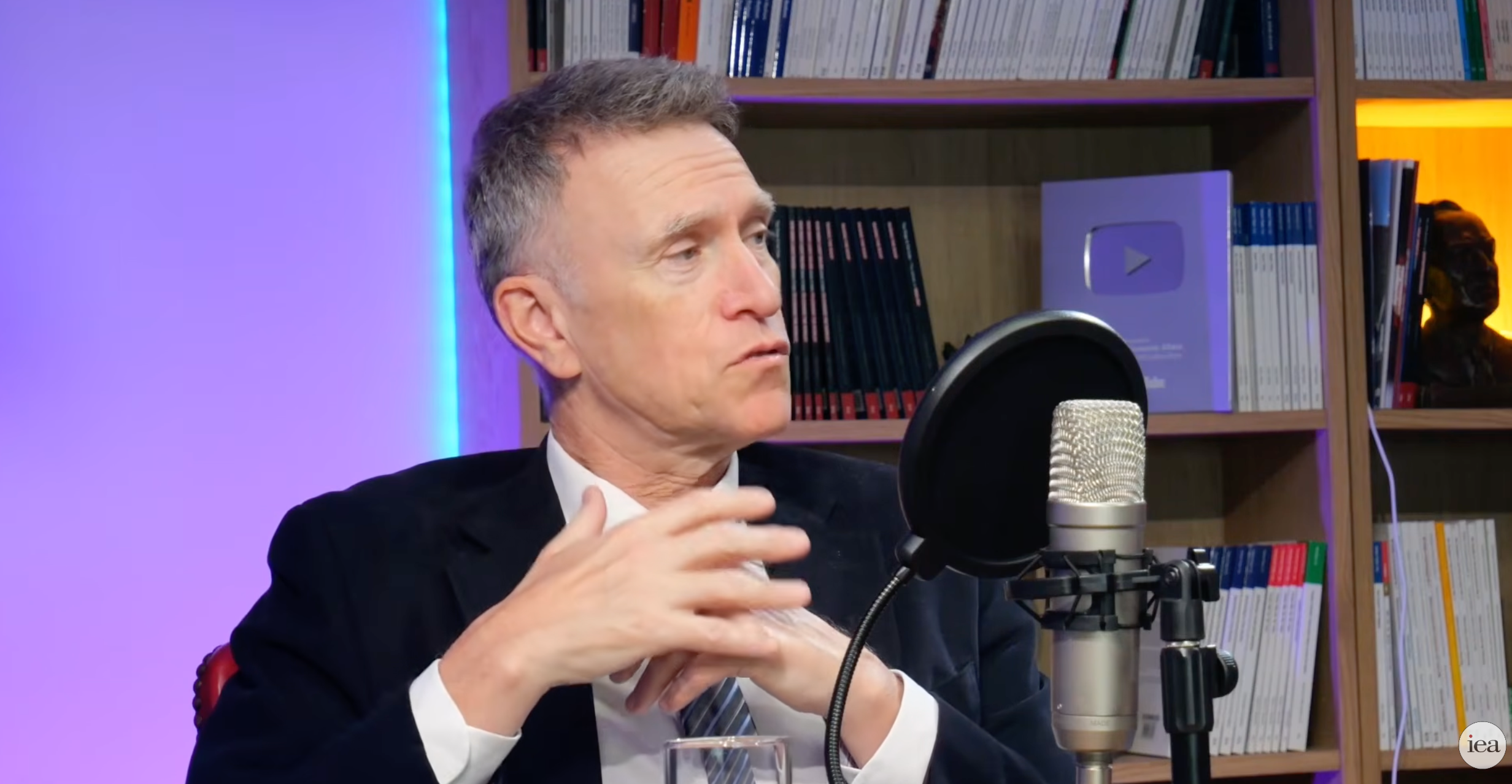
COVID Was the Biggest Event Since WW2 — And We've Learned Nothing | IEA Podcast
Roger Bate discusses how the WHO's shift to donor-dependent funding has left it beholden to foundations like Gates rather than public health needs, contributing to catastrophic COVID failures from dismissing airborne transmission to abandoning its own pandemic plans. He argues that without honest evaluation of the biggest event since WW2, we're doomed to repeat the same mistakes.
Six reasons the WHO is bad for global health
The little known human cost of WHO-led global health policy
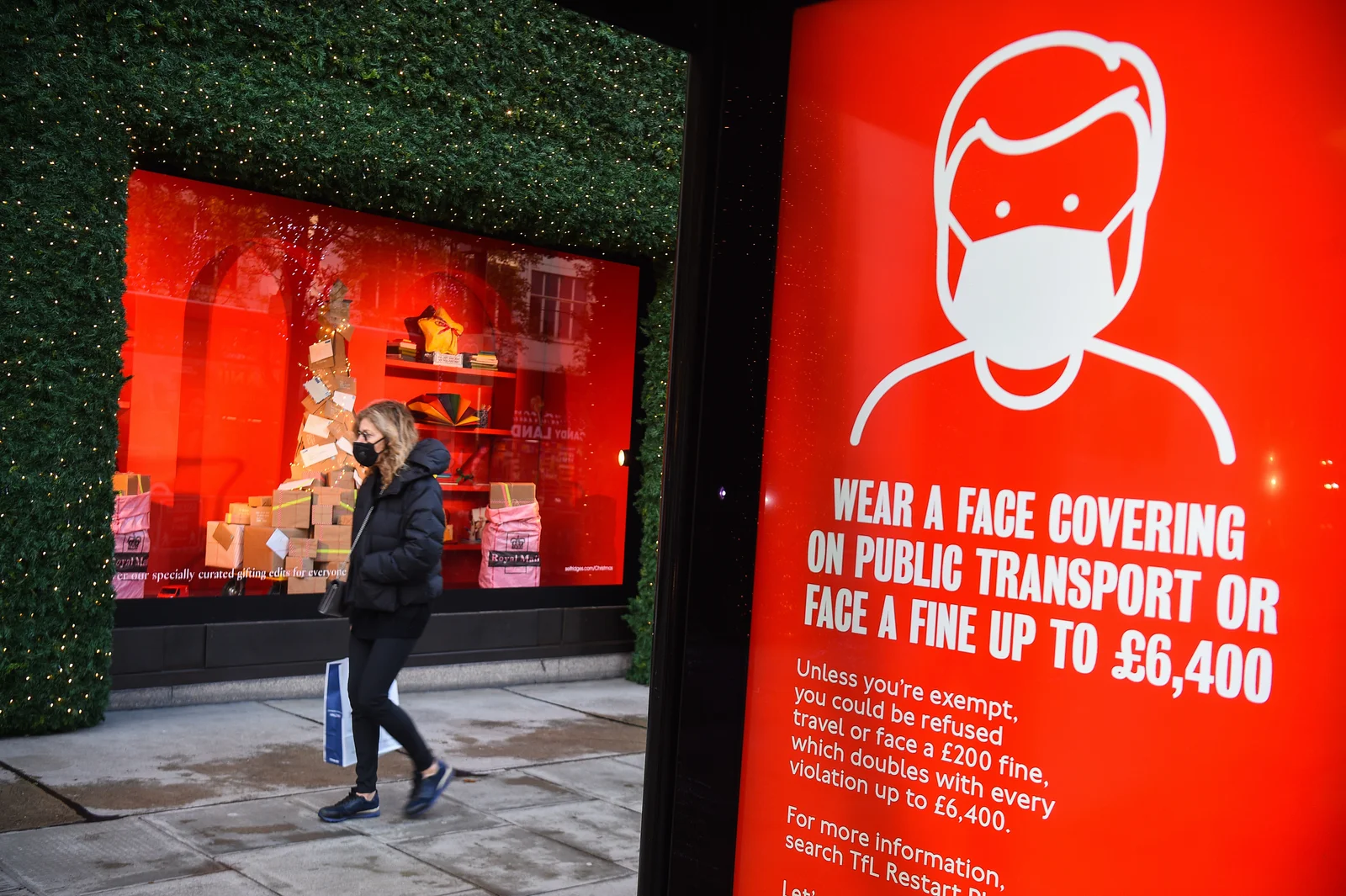
UK 'to face repeat lockdowns' as taxpayers fund pandemic treaty that risks 'same playbook again', new report warns
A new World Health Organisation agreement on how countries respond to pandemics will lead to repeated lockdown-style measures, a former lead scientist at the institution has warned.

Crunch Time for the WHO: Put the Right to Health Sovereignty Back at the Centre or Be Abolished Entirely
The International Health Reform Project calls for transformative reform of the WHO, arguing that recent practice has subordinated core ethical principles to abstract notions of collective security.
What a New WHO Director-General Should Try to Do
Leadership at WHO today is less about issuing new strategies and more about resetting expectations—about what the organization can do, what it should stop doing, and how honestly it should speak when evidence is uncertain or inconvenient.
The Global Health Accountability Index
A structured framework for assessing transparency, evidence standards, and governance of global health institutions that shape national policy.