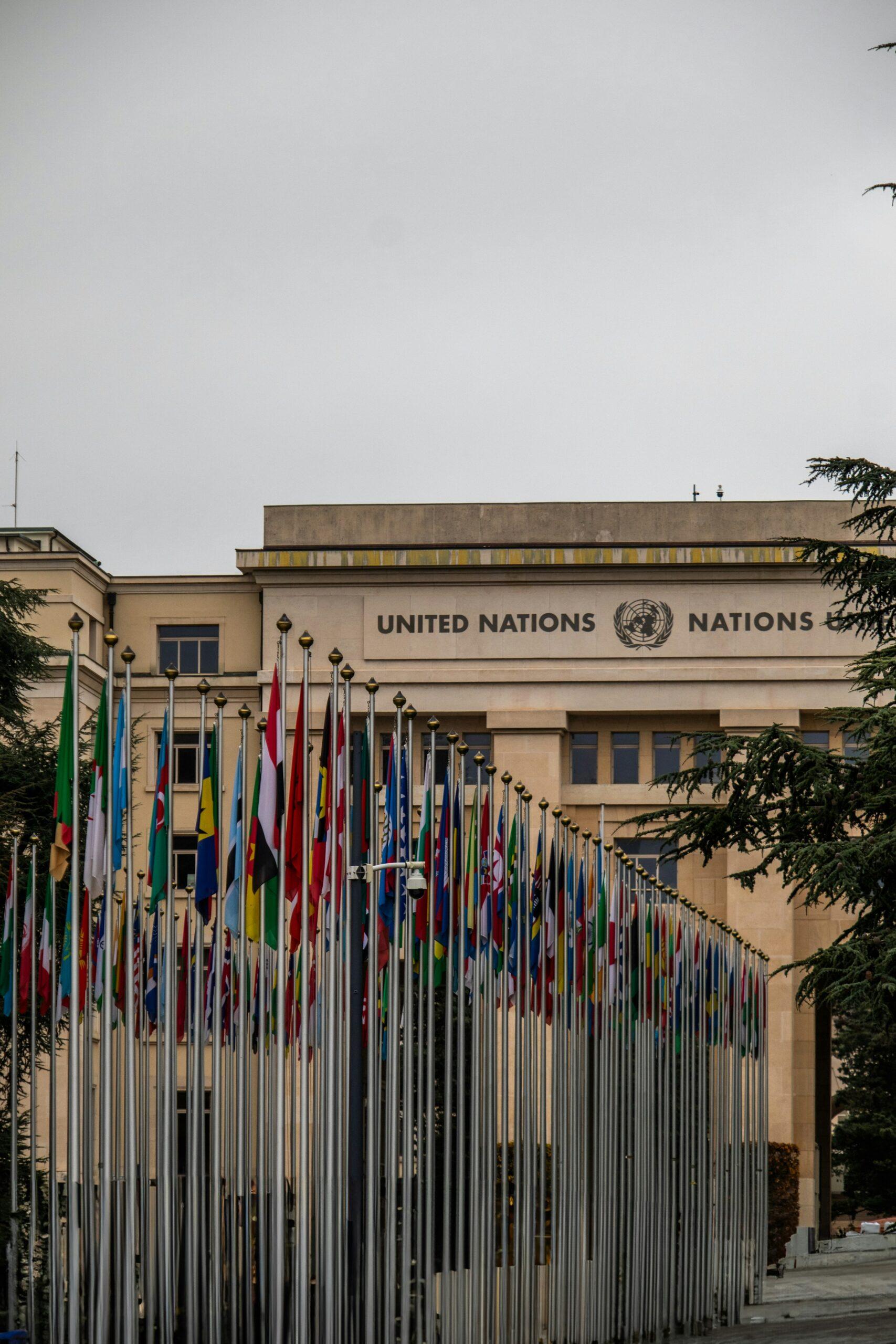
The Pandemic Agreement at an Impasse
Proportionality, Political Incentives, and the Future of Global Health Governance
Overview
This report examines the repeated failure to conclude negotiations on the WHO Pandemic Agreement, identifying deeper structural tensions rather than temporary diplomatic failures. The central unresolved issue—Pathogen Access and Benefit Sharing (PABS)—has become a focal point for wider disagreements concerning sovereignty, reciprocity, proportionality, and the future direction of global health governance. Countries are being asked to undertake increasingly concrete commitments involving pathogen sharing, genomic sequencing, surveillance expansion, regulatory alignment, and preparedness financing, while promised benefits remain uncertain in timing, enforceability, affordability, and distribution.
The report argues that the Pandemic Agreement reflects a broader shift in global health priorities from underlying determinants of health to a vertical, commodity-based approach that may impose the interests of wealthy countries over greater health burdens in lower-income states. The proposed preparedness agenda, estimated at over $31 billion annually, risks diverting resources from tuberculosis, malaria, nutrition, maternal health, sanitation, and broader health-system resilience—areas that impose far greater and more immediate burdens on population health in many lower-resource countries. The authors contend that the current impasse represents not diplomatic failure but an important moment of political reassessment regarding the proportionality, evidence base, and sustainability of the proposed pandemic preparedness architecture.
Key Findings
- The Pandemic Agreement institutionalizes binding obligations for pathogen sharing and surveillance while leaving the most valuable benefits dependent upon political discretion, manufacturing concentration, and market power
- Proposed pandemic preparedness spending exceeds $31 billion annually, potentially diverting resources from diseases like tuberculosis (1.25 million deaths/year) and malaria (608,000 deaths/year) that impose greater aggregate burdens
- Evidence for claims of escalating pandemic frequency is considerably weaker than preparedness narratives suggest once changes in surveillance intensity and definitional expansion are accounted for
- The COVID-19 experience demonstrated that equal access to pharmaceutical commodities does not necessarily produce equal public health outcomes across populations with different demographic structures and disease burdens
- Africa's median age of 19 years versus Europe's 44 years meant identical pandemic policies imposed very different risks and costs, yet the preparedness architecture assumes uniform global responses
- The preparedness agenda increasingly prioritizes surveillance, emergency declaration, and pharmaceutical deployment over broader determinants of resilience such as nutrition, sanitation, and primary healthcare
- Resistance from the Africa Group reflects not rejection of cooperation but demands for greater proportionality, clearer reciprocity, and more credible consideration of differing national priorities
Recommendations
Reassess whether the current Pandemic Agreement represents the most proportionate, evidence-based, and politically sustainable model for international health cooperation
Distinguish between increased outbreak detection (driven by surveillance expansion) and actual increases in severe disease burden or pandemic mortality when justifying preparedness investments
Evaluate preparedness spending against competing health priorities and realistic assessments of risk rather than treating it as automatically necessary 'additional' investment
Design preparedness systems that support decentralized decision-making and locally determined priorities rather than assuming uniform global responses are appropriate
Ensure that promised benefits from pathogen sharing (vaccines, therapeutics, technology transfer) have enforceable guarantees rather than remaining dependent on political discretion during crises
Broaden the conception of preparedness beyond rapid pharmaceutical response to include resilient health systems, nutrition, sanitation, endemic disease control, and workforce stability
Allow more deliberative time for negotiations rather than compressed timelines that disadvantage lower-resource delegations and reduce opportunities for broader scrutiny